Orthodontic Treatment, Visualized
See how your smile can change
A closer look at how braces gradually guide teeth into place.
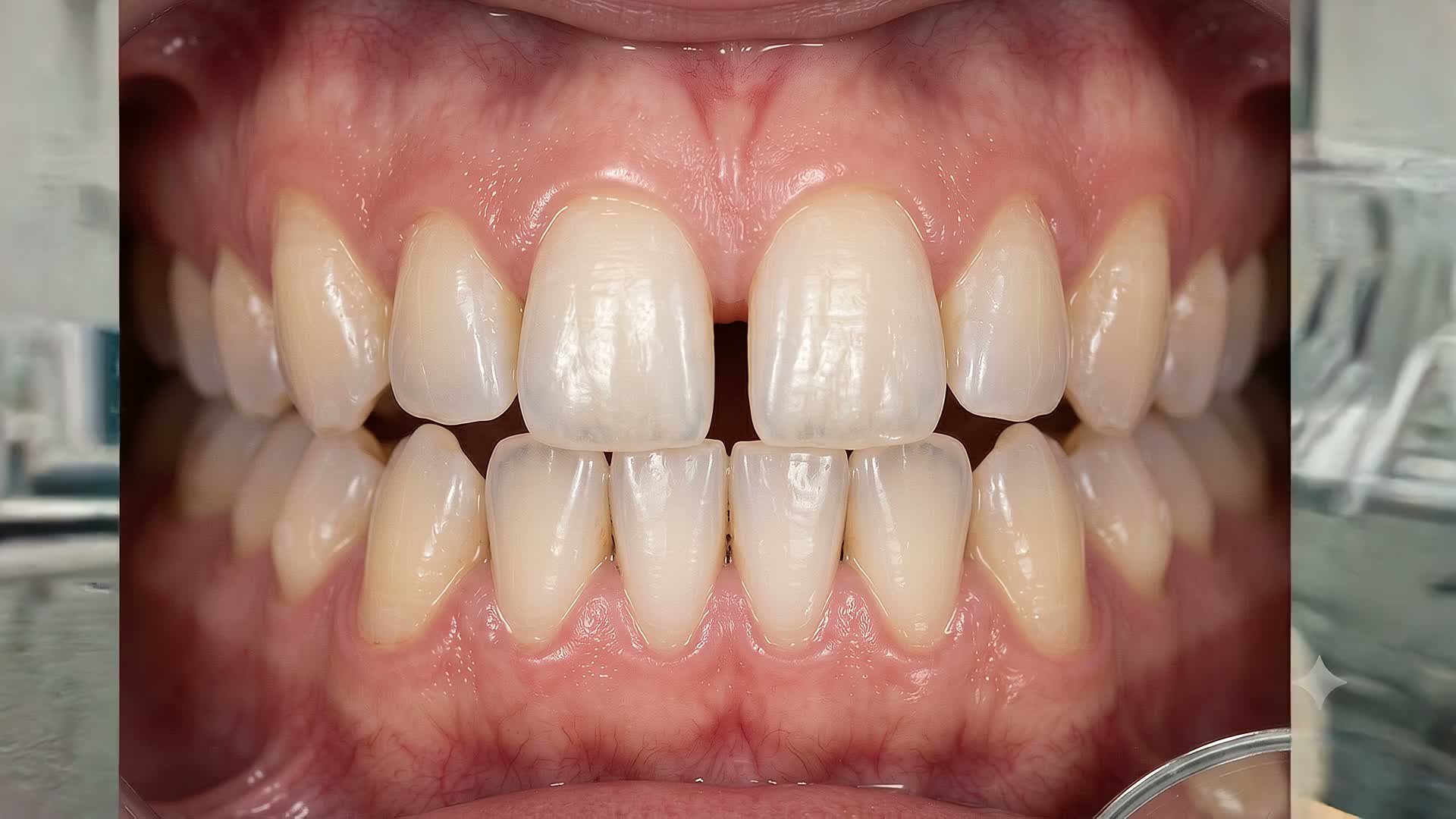
- Crowded teeth don't have enough room to sit in a straight line.
- Small brackets are bonded to each tooth.
- A thin wire connects the brackets and applies gentle, continuous pressure.
- Guided by the wire, teeth gradually move into alignment.
Scroll

Explore our treatment options below. Your orthodontist will help you choose the right fit after an evaluation.
Metal Braces
The traditional option: durable stainless-steel brackets and wires, often the most cost-effective braces option, with a range of tie-color choices available at each adjustment visit.
Ceramic Braces
Braces using tooth-colored or clear ceramic brackets instead of metal, so they are noticeably less visible day-to-day, while working the same way as metal braces.
Self-Ligating Braces
Braces using brackets with a built-in clip to hold the wire in place instead of elastic ties, which can mean shorter adjustment visits and, for some patients, less friction as teeth move.
Clear Aligners
Clear aligners are a series of custom-made, removable, transparent trays that gradually move teeth, with each tray worn for a set period before moving to the next in the series.
Retainers
Retainers are appliances worn after active orthodontic treatment to hold teeth in their new position while the surrounding bone and tissue stabilize.